The Driveway You Don’t Own: Selling Fast When Access Is Still a Favour
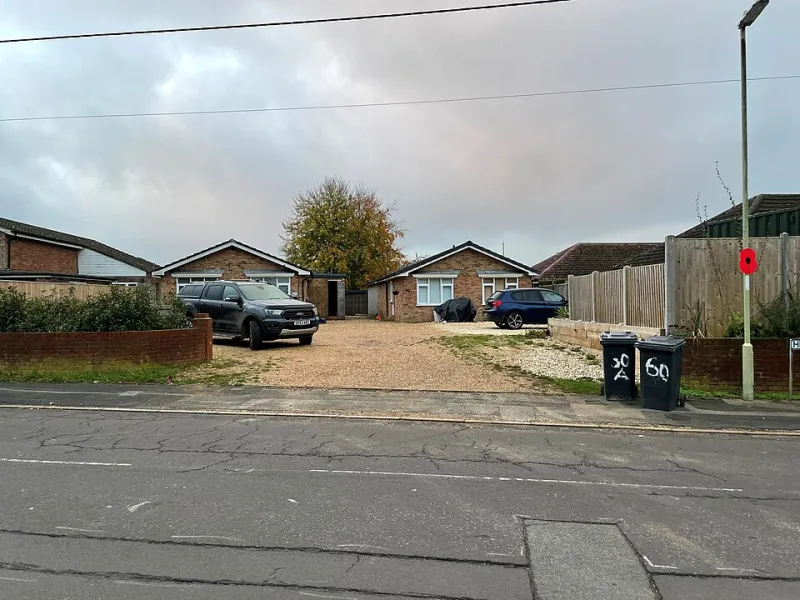
Photo: Mr Ignavy , CC BY-SA 2.0, via Wikimedia Commons
A driveway feels like a simple thing. You drive in, you park, you carry the shopping through the door. It only becomes complicated when you try to sell — and someone asks the perfectly reasonable question: do you actually have the legal right to use it?
If your route to the road crosses a neighbour’s land, runs over a shared strip, or depends on a handshake that has worked for decades, you are not alone. Plenty of UK homes sell every year with access arrangements that are informal, historic, or a bit of both. The trick is knowing what buyers and lenders will accept, and how to fix the gaps without turning a quick sale into a six-month paper chase in 2026.
What buyers and lenders are actually checking
When a buyer’s solicitor reviews your title, they are looking for certainty. Can the buyer get to the property? Can visitors, deliveries, and emergency services get in? Is the right to use that route written down, or is it just something everyone has always done?
Lenders are similar but often more blunt. If a property has no documented access, some lenders will refuse to lend against it. Others may accept an indemnity policy or a statutory declaration, depending on the circumstances. The buyer’s solicitor will usually raise enquiries and ask for evidence. If the answer is a vague “the neighbour is fine with it”, the sale can slow down quickly.
This is not about being difficult. A mortgage is a long-term commitment, and lenders want to know the property can be used and sold again. A buyer wants the same thing. The good news is that most access issues can be solved — but the solution depends on what your title already says.
The difference between a right and a routine
A legal right of way is usually recorded on the title register or in the deeds. It might be an express easement granted in a transfer, or a historic right that has been used openly for years. A routine, by contrast, is what happens on the ground. You use the driveway because the neighbour has never objected. That is neighbourly, but it is not the same as a legal right.
If your title shows a right of way, the buyer’s solicitor will want to check its terms. Who maintains the surface? Who pays for repairs? Does the right cover vehicles, or only pedestrians? Is there a gate that can be locked? These details matter because they affect how the property can be used and what the buyer is taking on.
If the right is missing from the title, the solicitor will ask how it has been used. In some cases, a prescriptive easement may be claimed after long, open, and uninterrupted use — often 20 years or more — but that is not a quick fix. It usually needs evidence, and it can be disputed. For a seller who needs to move fast, that is the point where timelines start to wobble.
Fixing the paper trail without stalling the sale
The most straightforward fix is a deed of grant. If the neighbour is willing, a solicitor can draw up a formal right of way and register it at Land Registry. That gives the buyer exactly what they need: a documented, enforceable right. It can take time, and there will be legal costs, but it is often the cleanest solution.
A second option is an indemnity insurance policy. These policies are sometimes accepted where a right of way cannot be granted or proved, but they are not a magic wand. They usually cover the cost of a legal dispute, not the practical problem of a neighbour blocking access. Lenders vary in what they will accept, so check before you rely on one.
A third option is a statutory declaration. This is a sworn statement setting out how the access has been used, by whom, and for how long. It can support a prescriptive claim or help a buyer’s solicitor understand the history. It is useful evidence, but it is not the same as a granted right.
The key is to get advice early. A property solicitor can look at your title and tell you which route is realistic. If you are already on the market, tell your agent as soon as you know there is an access question. It is far better to address it before a buyer spends money on searches and surveys than to have it surface at the eleventh hour.
When the neighbour won’t play ball
Not every neighbour wants to sign a deed, and that can feel like a wall. Sometimes they are worried about setting a precedent, or they simply do not want the hassle. In that situation, a cash buyer can be the cleaner route. Cash buyers often buy with access issues already priced in. They are not relying on a mortgage lender’s checklist, and they can take a view on the risk.
That does not mean every cash buyer is the right answer. You still need to be honest about the arrangement, and you should expect the offer to reflect the uncertainty. But if your priority is speed and certainty rather than achieving the absolute top price, a cash sale can keep the move on track when a conventional buyer would walk away.
A practical checklist before you list
- Dig out your title register and any deeds that mention access.
- Ask your solicitor whether the right is express, prescriptive, or missing.
- Speak to the neighbour early, calmly, and without pressure.
- Get a quote for a deed of grant if a formal right is possible.
- Check whether your lender or buyer’s lender will accept an indemnity policy.
- Keep a written record of how the access has been used and maintained.
- Tell your estate agent about any access question before viewings begin.
A shared driveway does not have to derail a sale. It just needs to be understood before it becomes a surprise. If you are selling in 2026 and want a quick move, the best first step is a clear conversation with a property solicitor and an honest look at what your title actually says. From there, you can choose the route that gets you to completion without relying on goodwill alone.