Keys in the Drawer, Bins Empty: Keeping a Vacant House Sale-Ready
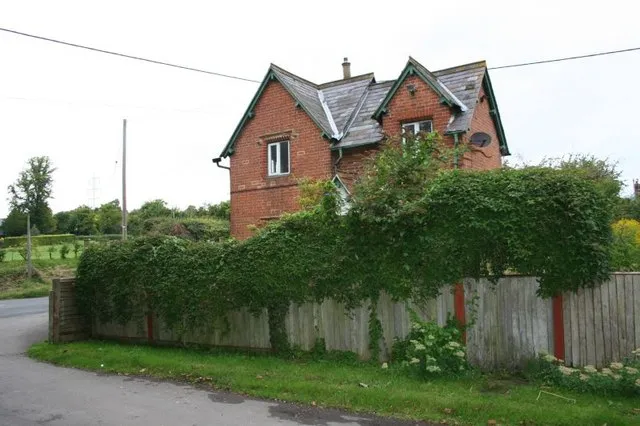
Photo: Bill Nicholls, CC BY-SA 2.0, via Wikimedia Commons
An empty house is never really empty. It has a diary. The insurance renewal lands. The council tax letter arrives. The garden keeps growing whether anyone is there or not. And somewhere in the meter cupboard, a standing charge is quietly ticking up.
Selling a vacant property quickly is less about staging it like a show home and more about stopping small problems from becoming buyer ammunition. Viewers read emptiness in strange ways. Some see space and potential. Others see neglect, damp and a vendor who has checked out. Cash buyers are usually more practical, but they still price what they see.
The good news is that a vacant house does not need much. It needs a routine. Twenty minutes a week, plus a monthly check, is often enough to keep it on the right side of presentable.
Why vacant homes make buyers suspicious
A lived-in house hides a lot. Furniture absorbs sound, daily use keeps air moving, and small issues get noticed before they spread. An empty house has no cover. A cold hallway feels colder. A faint musty smell has nothing to compete with. A pile of post behind the door tells its own story.
Cash buyers are not frightened by an empty property. They buy them all the time. But they will look harder at the things an owner-occupier might forgive: damp patches, sticking doors, cracked render, a boiler that has not run for months and a garden that has gone feral. The point is not to pretend the house is occupied. It is to show that it has been looked after.
The paperwork that bites
Insurance is the first job. Many standard home policies have conditions for unoccupied properties, often kicking in after 30, 45 or 60 days. Cover can be restricted for escape of water, theft or malicious damage. Ring your insurer before the house is left empty and ask what they need. You may need unoccupied property cover, a weekly check or a keyholder who visits. Do not assume the old policy just carries on.
Council tax is the second. Tell the local council the property is empty. Rules vary across the UK, and empty-home premiums can apply after set periods. Some councils offer discounts or exemptions for certain situations, but you have to ask. Ignore the letters and you can end up with a bill that follows you.
Utilities need a grown-up conversation too. Tell the suppliers the house is vacant. Keep the standing charges in mind. Leave a small amount of heating on in cold spells if the policy and boiler allow it, or follow the frost-protection advice for the system. Take meter readings and photograph them. If smart meters are fitted, check they are still sending readings.
Post is the loudest clue. Set up a Royal Mail redirect, ask a neighbour to collect anything that slips through, and never leave a stack of envelopes visible through the glass. It is a small thing that makes a big difference to how secure the house feels.
The fabric of the house
Damp is the classic vacant-house problem. It often comes from poor ventilation rather than a dramatic leak. Open trickle vents, leave internal doors ajar, and run the heating occasionally to keep the chill off. Check ceilings, skirting boards and the corners of rooms after heavy rain. If you spot a leak, deal with it before it becomes a stain that buyers photograph.
Water is another one. Know where the stopcock is. If you are leaving the property for a long stretch, ask a plumber whether to turn the water off and drain the system. Do not guess. A burst pipe in an empty house is expensive and entirely avoidable.
Security should look ordinary. Use timer lights, keep a radio on a timer if you like, and make sure locks work. Ask a neighbour or keyholder to park a car on the drive occasionally if that is realistic. Do not advertise emptiness on social media. An alarm is useful, but only if someone responds to it.
The garden is the giveaway. A lawn that has not been cut for six weeks shouts vacant. So does a bin left out, a path full of leaves or a hedge blocking the front window. Arrange a fortnightly cut in growing season and a quick tidy before viewings. It is cheaper than the discount a buyer will ask for when the outside looks abandoned.
A short weekly checklist
- Visit or ask your keyholder to visit. Run the hot taps, flush toilets and check for leaks.
- Put the heating on for a short burst in cold weather, following the boiler and insurance advice.
- Collect post and check the front door and windows for anything that looks off.
- Open a window or trickle vent for ventilation if security allows.
- Check the garden, path and bins. Cut the grass in season.
- Look at ceilings and skirting boards for new damp patches.
- Test timer lights and the alarm.
- Take a meter reading once a month and keep a photo.
What cash buyers scrutinise in an empty house
A cash buyer will usually want to know why the house is empty, how long it has been vacant and whether there are any known issues. They will look at the roof, gutters, damp, boiler, electrics and services. They will check access, locks and whether the property is genuinely vacant possession. If it is a flat, they will ask about service charges, ground rent and management company records.
None of that should panic you. Cash buyers are not looking for perfection. They are looking for known risks so they can price them. Your job is to make the unknowns smaller. Keep the EPC, boiler service records, guarantees and any building regulations certificates in one folder. If the house has been empty for a while, be ready to explain the council tax position and insurance arrangements.
An empty house can sell quickly. It can even be simpler than a chain. But it needs a light touch and a regular eye. Keep it dry, keep it secure, keep the post clear and keep the garden from doing the talking. Then the emptiness looks like opportunity, not neglect.