Nailed Down or Fair Game? The Fixtures and Fittings Rules That Make or Break a Fast Sale
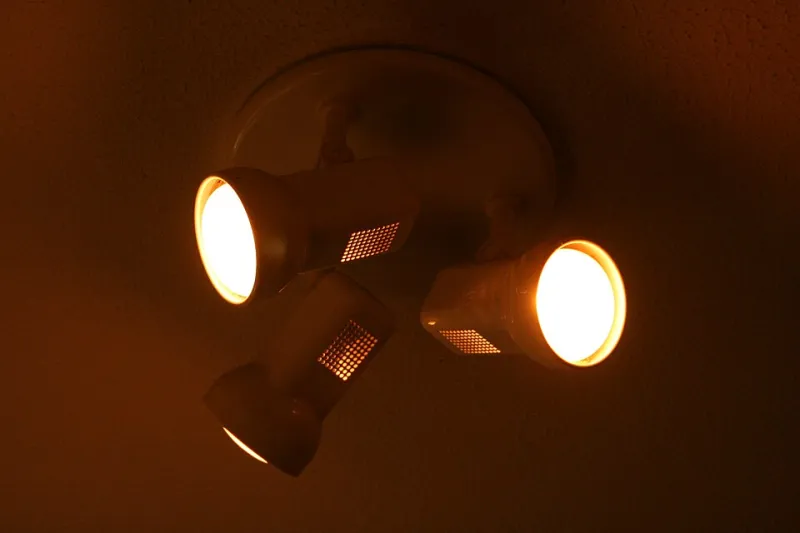
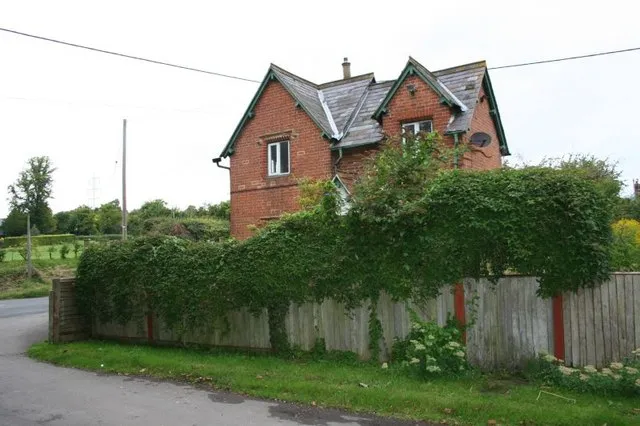
Photo: Andy / Andrew Fogg from near Cambridge, UK, CC BY 2.0, via Wikimedia Commons
Anyone who has sold a house knows the argument usually starts small. A curtain pole. A garden shed. The fridge-freezer that looked built-in but is not. In a fast sale, those small arguments are expensive because they arrive at the worst moment: after a price has been agreed and before exchange.
The legal default in England and Wales is straightforward, even if the practical reality is not. Fixtures are included; fittings are not. The fixtures and contents form — usually the TA10 — is where you turn that default into a clear list. Get it wrong, and a cash buyer will price in removal, replacement and delay. Get it right, and you remove a whole category of last-minute deductions.
Fixtures vs fittings: the legal starting point
A fixture is something attached to the property in a way that suggests it is meant to stay. Built-in wardrobes, kitchen units, bathroom suites, radiators, boilers, fitted carpets and most light fittings usually count. A fitting is freestanding or easily removed: a sofa, a freestanding cooker, a washing machine, a potted plant or a mirror hung on a hook.
The trap is the middle ground. A wall-mounted TV bracket may be a fixture, but the TV is not. A shed may sit on a concrete base and feel permanent, but it still needs to be listed clearly. Curtains are often treated as fittings, while curtain rails are usually fixtures. If you want to take something with you, say so in writing before exchange. Do not assume the buyer knows what you mean by ‘the usual things’.
In Scotland, the position is set out in the missives rather than the TA10, so the same discipline applies: list it, agree it, put it in writing.
Room by room: leave it or lose it
Kitchen. Integrated ovens, hobs, extractors and fitted units normally stay. Freestanding fridge-freezers, washing machines and tumble dryers do not, unless you agree otherwise. The boiler usually stays. Smart thermostats and doorbells can be surprisingly awkward: if the buyer needs an account or subscription, either transfer it or replace it with a basic unit and say so.
Bathroom. The suite, shower screen and fixed shower head usually stay. Freestanding mirrors, shelves, bath mats and toiletries go. If a heated towel rail is wired in, treat it as a fixture unless you have agreed to remove it and make good.
Living rooms and bedrooms. Built-in wardrobes usually stay. Freestanding furniture goes. Curtains and blinds are often left because removing them leaves bare windows, but they are not automatically included. Put them on the form either way. TV brackets should be agreed: leave them and the buyer may not want them; remove them and you must fill the holes.
Garden and outside. Shrubs and plants growing in the soil usually stay. Pots, hanging baskets and garden furniture go. Sheds, greenhouses and summerhouses need to be declared. If a hot tub is staying, say so clearly; if it is going, confirm who is removing it and when. A buyer will notice a hot tub-shaped gap in the decking.
Inherited clutter. Old paint tins, broken furniture and boxes in the loft are not a generous extra. They are a removal cost. A cash buyer will often deduct for a skip, labour and the delay of clearing the property. If you want to leave something behind, ask first. Do not treat the attic as a free storage unit after completion.
How cash buyers price in what you leave
A cash buyer is not usually buying your furniture; they are buying certainty. If the property comes with a shed that is falling down, a fridge that is not staying, or a loft full of rubbish, they will estimate the cost of removal and replacement before they make an offer. That cost may be higher than you expect because it includes labour, disposal and the risk of delay.
This is why a clear list is worth more than a clever negotiation. A buyer who knows exactly what is included can move faster. A buyer who discovers on completion day that the integrated dishwasher was actually freestanding may reduce the price or delay the exchange.
Negotiation scripts for awkward items
Use plain language and put the agreement in writing. You do not need to be aggressive; you need to be clear.
- ‘The range cooker is staying, but the American fridge-freezer is not. I have listed both on the form. If you want the fridge, I am happy to include it for £X, or you can arrange removal after completion.’
- ‘The shed is included because it sits on a concrete base. The hot tub is excluded. I will have it removed before completion and make good the decking.’
- ‘The curtains were made to measure. I am happy to leave them for £X, or I will take them down and fill the holes before exchange.’
- ‘I know the TV bracket is useful, but it is coming with me. I will remove it and make good the wall unless you would rather keep it as it is.’
Keep the tone neutral. ‘I have listed it clearly’ is stronger than ‘I assumed you knew’. If the buyer pushes back, refer to the form and offer a practical choice: include it for a price, remove it and make good, or leave it as seen. A fast sale needs decisions, not debates.
Pre-exchange checklist
Before you exchange contracts, confirm the following in writing:
- The fixtures and contents form is complete and matches what is actually in the property.
- Any excluded item is named, and a removal date is agreed.
- Any item you are leaving that is not a fixture is listed as included.
- You have agreed who pays for removal or replacement of anything broken or missing.
- You have photographed the included items and the condition of the walls where items have been removed.
- You have checked whether the lease or management company requires consent for alterations such as a shed or satellite dish.
- You have not removed any fixture before completion without the buyer’s written agreement.
A fast sale is not just about price. It is about removing the small uncertainties that give a buyer a reason to pause. The clearer your list, the less room there is for a last-minute deduction — and the quicker everyone can get to exchange.