Paperwork in Limbo: Selling a Flat Quickly While the EWS1 Is Still Pending
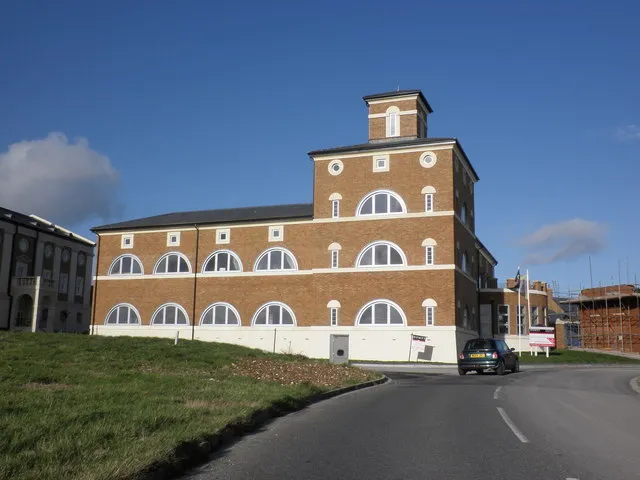
Photo: Roger Cornfoot, CC BY-SA 2.0, via Wikimedia Commons
You have a flat to sell. You also have a cladding question, a managing agent who replies on Wednesdays, and an EWS1 form that is forever 'with the assessor'. It is a frustrating place to be, but it is not a dead end. Plenty of flats change hands in 2026 without a pristine certificate in the drawer. The trick is understanding what the paperwork actually does, who will accept what, and where a quick sale stops being a compromise and starts being the obvious route.
What the EWS1 is — and what it is not
The EWS1 is an industry form used by lenders and valuers to understand the fire safety of a building's external walls. It is not a legal requirement to sell a flat. You can put your home on the market without one. But if a buyer needs a mortgage, their lender may ask for it, especially in buildings with cladding, render or balconies. That is where the waiting game begins.
It helps to separate two things: the certificate and the actual safety of the building. A missing EWS1 does not automatically mean unsafe. It means the information a lender wants is not yet packaged in the format they recognise. Some lenders will look at a fire risk assessment, a remediation plan, or a warranty instead. Others will not budge. Knowing which camp your likely buyer falls into saves months of guesswork.
How lenders and surveyors are reacting in 2026
The picture is patchy. Some high-street lenders have become more comfortable with interim documents, particularly where a remediation plan has clear dates and funding. Others still treat a pending EWS1 as a red flag and decline the application at the valuation stage. Surveyors are similarly split. A valuer may mark the property as 'lending acceptable subject to receipt of EWS1' — which sounds promising but can stall a sale for months.
For you as a seller, the practical takeaway is simple: do not assume a mortgage buyer will sail through. Ask your estate agent to check lender criteria early. If your building has known cladding issues, assume a standard mortgage may be difficult until the certificate lands. That is not scaremongering; it is just the reality of the current market.
The documents that do the heavy lifting
You cannot commission an EWS1 yourself. It is arranged by the building owner or managing agent, using a qualified assessor. What you can do is build a pack that answers the questions buyers and their advisers will ask. Gather:
- The latest fire risk assessment for the building.
- Any EWS1 form you have, even if it is interim or has a B2 rating with a remediation plan.
- The remediation plan, including scope, timeline and who is paying.
- Service charge accounts and sinking fund balance.
- Building safety information held by the freeholder or managing agent.
- Lease, ground rent details and any deed of variation.
- Your property information form (TA6) and fixtures list.
- Correspondence with the managing agent about cladding and safety works.
- Buildings insurance details and any warranty.
Put it in a folder, digital or physical. When a buyer asks, you can reply within an hour rather than a week. Speed of information is one of the few things you genuinely control.
Marketing honestly without scaring everyone off
Honesty is not just ethically right; it is commercially smart. If you list the flat as if the EWS1 is a non-issue, a buyer's solicitor will find out during conveyancing. By then you have lost weeks and probably a buyer. Instead, state the position clearly in the listing and in the property information form. Something like: 'EWS1 pending; remediation plan in place with managing agent; full document pack available on request.'
That wording filters out buyers who cannot proceed and attracts those who can. It also protects you from accusations of misrepresentation later. Price realistically. A flat with a pending certificate is worth less to a mortgage buyer than an identical flat with a clean B1 rating. A cash buyer will factor in the risk and the delay. Neither is being unfair; they are pricing what is in front of them.
Where a cash buyer fits — and where it does not
A cash buyer is not a last resort. For some sellers, it is the sensible route. If you have a job starting in another city, a probate sale to wrap up, or a chain that cannot wait, a cash purchaser can exchange quickly and complete without a lender's valuation. They accept the EWS1 risk because they are buying with their own money and a long-term view.
But not every cash buyer is the same. Ask for proof of funds, check their track record, and read the terms. A genuine cash buyer will not ask you to pay an upfront fee, will not promise a price that sounds too good, and will explain how they handle the cladding issue. If they plan to flip the flat in weeks, they may push for a steep discount. That might still be fine — just go in with your eyes open.
Where a cash buyer does not fit is when you have time, a mortgage-ready flat, and a buyer who can wait. In that case, a standard sale will usually get you a better price. The EWS1 delay is painful, but it is not permanent. Remediation programmes are moving, even if they feel glacial.
A realistic timeline
If you decide to sell with a pending EWS1, expect the following. Assembling your document pack: one to two weeks. Finding a buyer who understands the situation: two to eight weeks, depending on price and location. Conveyancing with a cash buyer: four to eight weeks. Conveyancing with a mortgage buyer, if a lender accepts interim documents: three to six months, with a real chance of delays.
None of this is precise, but it gives you a framework. The biggest variable is not the certificate itself; it is the buyer's funding. That is why the cash route can be faster even if the headline price is lower.
The bottom line
Waiting for an EWS1 does not mean you cannot sell. It means you need to be organised, honest and realistic about who will buy. Build the document pack, check lender appetite early, market the flat with clear wording, and consider a cash buyer if your timeline matters more than the last few thousand pounds. You are not stuck. You are just selling in a market that asks more questions than it used to.