Upstairs Neighbours, Downstairs Deeds: Fast-Selling a Flying Freehold in 2026
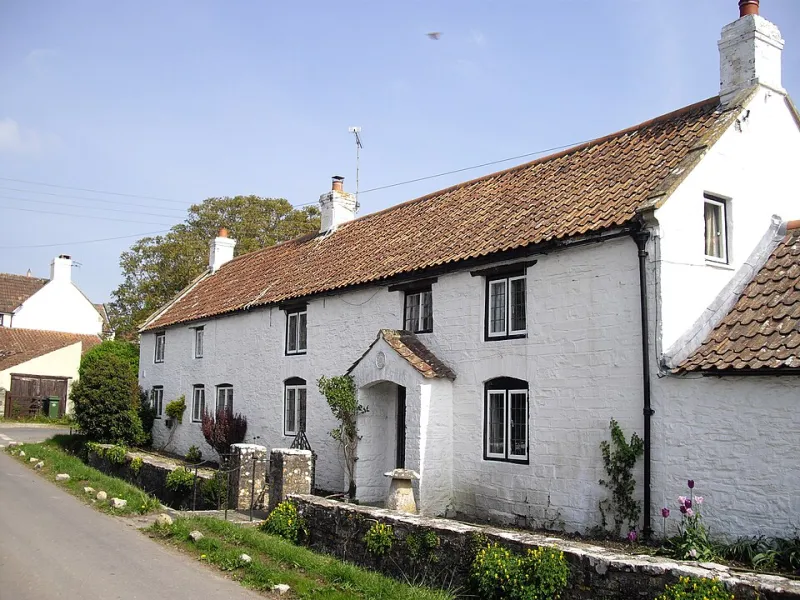
Photo: John Lord , CC BY-SA 2.0, via Wikimedia Commons
Flying freeholds are one of those quirks that make old British housing stock charming until a mortgage lender reads the title. If part of your cottage sits above a neighbour’s freehold — or your ground floor sits under someone else’s upstairs rooms — you may have a flying freehold. It is not rare, especially in converted barns, coastal cottages and terraced streets where boundaries were drawn with a ruler and a shrug. But it can make a fast sale feel less than straightforward in 2026.
The good news is that a flying freehold does not automatically kill a sale. It just means the paperwork has to work harder. Buyers’ lenders want to know the property is safe to lend against, and that means understanding who supports what, who repairs what, and what happens if the neighbour sells up or stops answering emails.
Why lenders get twitchy
A mortgage lender is not really buying your cottage. It is taking security against it. If the legal structure is unusual, the lender’s valuer and solicitor will ask whether that security is easy to enforce and easy to resell. With a flying freehold, part of the building sits across two freehold titles. That can raise questions about structural support, access, insurance and repair responsibilities.
Some lenders are relaxed if the arrangement is old, documented and insured. Others will class it as a defective title and decline the mortgage altogether. It often depends on the lender, the valuer and how well your solicitor explains the setup. A buyer with a 90% mortgage may have less luck than a cash buyer or someone using a specialist lender.
This is why a flying freehold sale can feel like it is moving in slow motion. It is not usually the buyer being difficult. It is the lender’s risk team doing its job.
The checks your solicitor should be doing
Before you accept an offer, it is worth getting a conveyancer who has actually handled flying freeholds. Ask the question directly. If they sound vague, find someone else. The extra checks usually include:
- The title register and title plan for your property and the neighbouring freehold.
- Any rights of support, access, drainage or repair that benefit or burden either property.
- Who insures the building, and whether the policy covers the whole structure or just your part.
- Whether there are any covenants or restrictions that affect future work or resale.
- Whether building regulations approval exists for any alterations that created the overlap.
- Whether the neighbour is aware of the arrangement and willing to confirm it in writing.
If the property is leasehold as well as flying freehold, the lease needs a close read too. Short leases, missing consent or unclear repair clauses can pile extra questions on top.
Indemnity policies: useful, not magic
A defective title indemnity policy is often mentioned in flying freehold sales. It can help cover legal costs if a title problem later causes a dispute, and some lenders will accept a policy where they might otherwise decline. The cost varies, but it is usually modest compared with the value of the property.
However, an indemnity policy is not a structural survey. It will not fix a leaking roof or settle a long-running argument about who pays for repointing. It also will not persuade every lender. Some will still want the title issue resolved, or will apply a retention, or will simply say no. Speak to your solicitor early so the policy can be arranged before exchange rather than scrambled together at the last minute.
What a realistic timeline looks like
A normal freehold sale in England and Wales often takes around eight to twelve weeks from offer to completion. With a flying freehold, add time for extra enquiries, lender referrals and possibly a second valuation. In practice, many sales take three to five months, and some take longer if a lender declines late and the buyer has to start again.
That does not mean every sale drags. A well-prepared seller with clear paperwork and a proactive solicitor can keep things moving. The danger is assuming the first buyer’s mortgage will sail through. Ask for updates on the lender’s position early, and be ready to provide documents quickly.
Selling to a cash buyer: calmer, not automatically better
A cash buyer can be a sensible route when a flying freehold is making mortgage buyers nervous. There is no lender to satisfy, no valuation for mortgage purposes, and no risk of a mortgage offer expiring. A specialist cash buyer may be comfortable with quirky titles because they have seen them before and have their own legal process for assessing them.
That said, cash is not a magic wand. A reputable buyer will still do due diligence, and they will usually expect a discount for the risk and speed. You should still use your own solicitor, check proof of funds and ask how the purchase is funded. At QuickSell Houses, we would always say: compare the net result, not just the headline price. A slightly lower cash offer that completes in weeks may suit you better than a higher offer that collapses in month three.
Practical prep before you list
Gather the title documents, any old conveyances, insurance details and correspondence with the neighbour. If work has been done that created or affected the overlap, dig out the planning and building regulations paperwork. Be upfront with buyers. A flying freehold is better explained by you than discovered by a lender’s solicitor after four weeks of silence.
Also check your buildings insurance early. If the policy is unclear about the shared structure, get it clarified before a buyer’s solicitor asks. And have a sensible conversation with the neighbour if you can. A short letter confirming the practical arrangements can save a lot of back-and-forth later.
A flying freehold does not have to mean a stuck sale. It means choosing the right route, getting the legal work right and being realistic about time. If speed matters more than squeezing the last pound out of the price, a cash buyer may be the calmer way through. If you have time to wait for a mortgage buyer, prepare for the questions and keep your paperwork close.